





You know the struggle: you’re standing in the skincare aisle, staring at countless moisturizer options, wondering which one will finally rescue your dry, flaky skin. Two big contenders, Lubriderm and CeraVe, promise to soothe and hydrate, but which is really going to deliver the goods for you?
| Specification | Lubriderm | CeraVe |
|---|---|---|
| Main Ingredients | Glycerin, Mineral Oil | Ceramides, Hyaluronic Acid |
| Fragrance-Free | ✓ | ✓ |
| Non-comedogenic | ✗ | ✓ |
| SPF Protection | ✗ | ✗ |
| Price per Ounce | $0.60 | $1.10 |
| Dermatologist Recommended | ✓ | ✓ |
✅ lubriderm Pros
- Affordable price point
- Quick absorption
- Suitable for daily use
❌ lubriderm Cons
- Contains mineral oil
- Not non-comedogenic
- Limited hydrating ingredients
✅ cerave Pros
- Contains ceramides and hyaluronic acid
- Non-comedogenic
- Developed with dermatologists
❌ cerave Cons
- Higher price point
- May feel greasy on initial application
- Not as quickly absorbed
Performance
Lubriderm is your go-to if you need an everyday moisturizer that absorbs quickly without leaving a sticky residue. It’s perfect if you’re the type who applies lotion and then immediately needs to get dressed. However, CeraVe excels when it comes to long-term hydration, thanks to its ceramides and hyaluronic acid. If you’re battling eczema or chronically dry skin, CeraVe offers a richer, more nourishing formula that builds up your skin’s barrier over time.
Build Quality
The formulations tell you a lot about what you’re getting. Lubriderm keeps it simple, which is excellent for those who want minimal fuss. Its pump bottle is straightforward, and you won’t be dealing with fancy marketing gimmicks. In contrast, CeraVe’s formulation is more complex, incorporating dermatological science. The inclusion of ceramides and hyaluronic acid makes it a bit more advanced, but the packaging is also bulkier, which might be a downside if you’re short on space.
Value
Price-wise, Lubriderm is the budget-friendly choice at almost half the cost per ounce compared to CeraVe. If you’re a regular lotion user, those savings add up over time. Still, CeraVe offers more bang for your buck if you’re seeking therapeutic benefits like better skin barrier repair and deeper hydration. This choice boils down to whether you prioritize cost over enhanced skin benefits.
Most people don’t realize that Lubriderm, while quick to absorb, can leave a residue on clothes if not fully rubbed in. CeraVe, on the other hand, might seem like it’s not absorbing initially, but give it a few minutes and it sinks in beautifully, even if it feels greasy at first. Both brands lack SPF, so don’t skip your sunscreen.
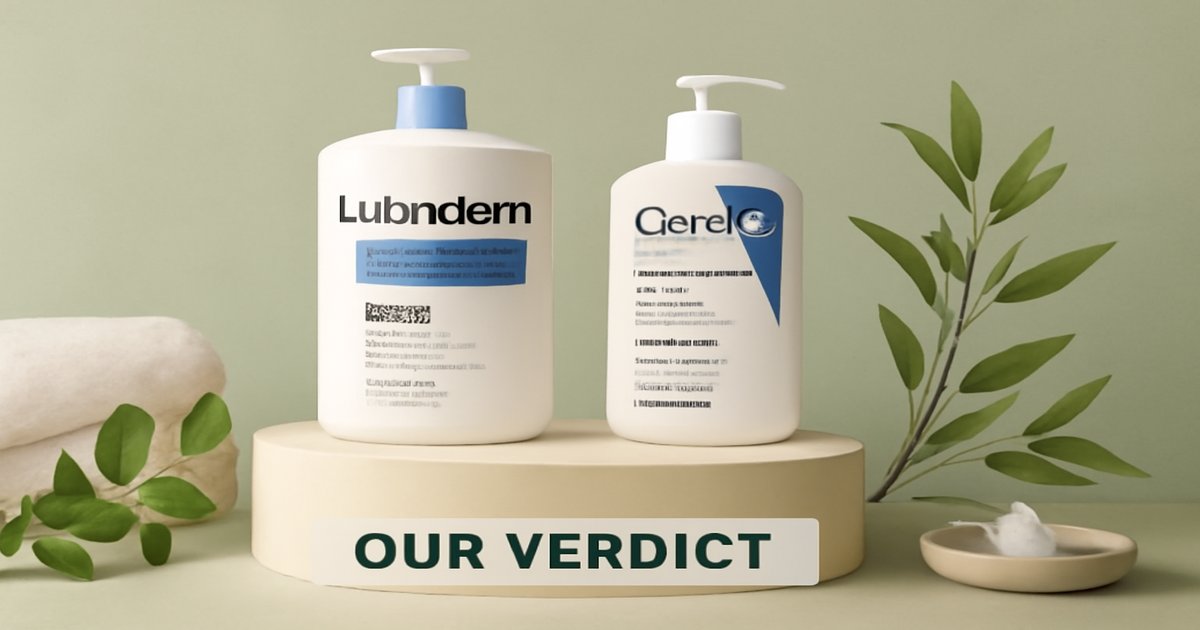
Our Final Verdict: Which One Should You Buy?
If you’re on a budget and need something that works without frills, Lubriderm is your match. It’s for the no-nonsense user who cares more about price and convenience than deep moisturizing. On the other hand, if you’re looking for something that offers more skin-barrier support and hydration, and you’re willing to pay for it, CeraVe is your winner. It’s ideal for those with sensitive or extremely dry skin looking for a more therapeutic option.
Is Lubriderm suitable for acne-prone skin?
Not the best choice, as Lubriderm isn’t non-comedogenic, meaning it can clog pores.
Can CeraVe be used on the face?
Yes, CeraVe’s non-comedogenic formula makes it suitable for both face and body, but always patch test first.
How long does a bottle of each product last?
Depends on usage, but a standard bottle of Lubriderm might last you a month with regular use, while CeraVe could stretch a bit longer due to its richer formula.