






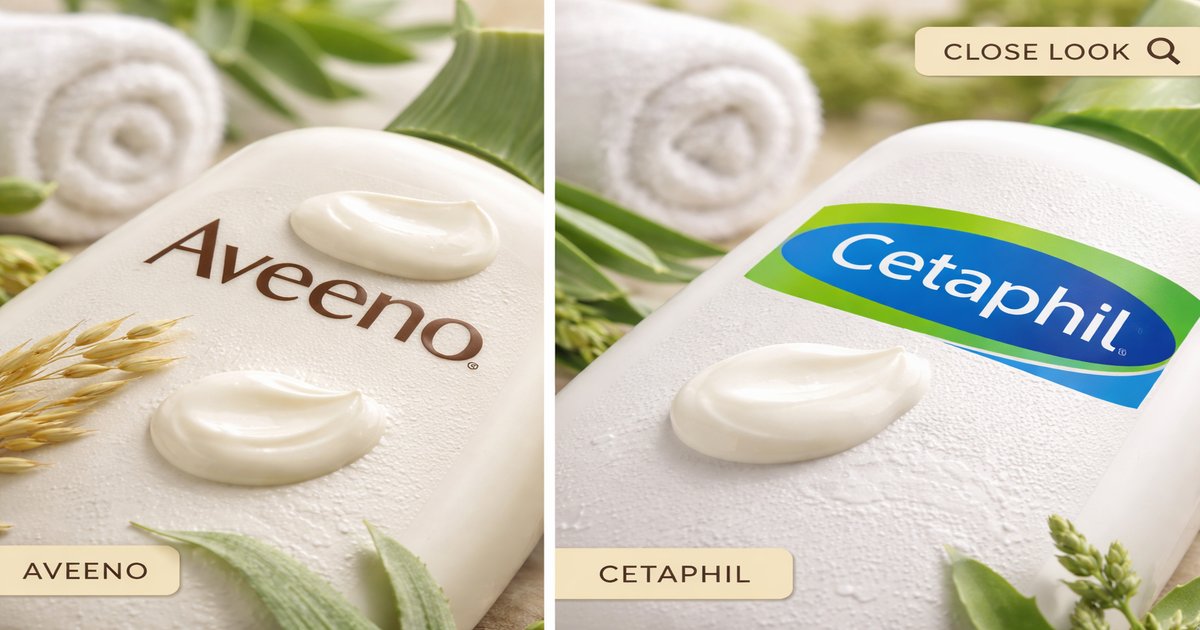
You’ve probably stood in the skincare aisle, staring blankly at endless bottles, wondering, “Which one is right for my skin?” Aveeno and Cetaphil are two giants in the world of moisturizers and cleansers—each claiming to be the savior for sensitive skin. Let’s cut through the jargon and see which one truly delivers on its promises.
| Feature | Aveeno | Cetaphil |
|---|---|---|
| Suitable for Sensitive Skin | ✓ | ✓ |
| Fragrance-Free Options | ✓ | ✓ |
| Non-Comedogenic | ✓ | ✓ |
| Primary Ingredient | Colloidal Oatmeal | Glycerin |
| Price Range (Moisturizer) | $8 – $15 | $10 – $18 |
| Dermatologist Recommended | ✓ | ✓ |
✅ aveeno Pros
- Excellent for treating eczema and dry skin due to colloidal oatmeal.
- Broad range of products, including sunscreens and body washes.
- Highly moisturizing with a non-greasy feel.
❌ aveeno Cons
- Some products contain alcohol which may dry out very sensitive skin.
- Limited availability of fragrance-free options in all product lines.
✅ cetaphil Pros
- Extremely gentle, ideal for sensitive and acne-prone skin.
- Widely available and often recommended by dermatologists.
- Simple, effective formulations that focus on essential skin needs.
❌ cetaphil Cons
- The basic formulation may not provide enough moisture for very dry skin.
- Some users find it doesn’t fully remove heavy makeup or sunscreen.
Performance and Application
Aveeno’s products, particularly those containing colloidal oatmeal, excel in moisturizing and soothing irritation. If you’re dealing with eczema or persistently dry patches, Aveeno feels like a comforting blanket on your skin. Cetaphil, on the other hand, shines in its simplicity. Its gentle, non-irritating formulations are perfect for daily cleansing, especially if you’re prone to breakouts or have combination skin. It might not wow you with a spa-like experience, but it gets the job done without causing a fuss.
Build Quality and Ingredients
Aveeno leverages the power of natural ingredients like colloidal oatmeal, which works wonders for calming and nourishing the skin. This focus on nature-inspired science sets it apart, though some formulations may include alcohol, which isn’t ideal for ultra-sensitive skin. Cetaphil sticks to the basics with glycerin as a key ingredient, ensuring hydration without frills. This no-nonsense approach is its strength, though it might not provide the rich hydration needed for parched skin types.
Value for Money
Both brands sit in the mid-range price category, but their value depends on your skin’s needs. Aveeno offers more specialized treatments, justifying the investment if you have specific concerns like eczema. Cetaphil, while slightly more expensive, delivers reliable daily care and is often bundled with promotional offers, making it a favorite for budget-conscious users with sensitive skin. Think of Aveeno as a targeted treatment and Cetaphil as your reliable daily staple.
Aveeno’s use of alcohol in some products can be a deal-breaker if you have reactive skin. Cetaphil’s simplicity is a double-edged sword; while it’s gentle, it might not be hydrating enough for extreme climates or very dry skin. Also, don’t expect Cetaphil to tackle all your makeup removal needs—it’s basic but not exhaustive.
Our Final Verdict: Which One Should You Buy?
If your skin is prone to dryness or eczema, and you appreciate a bit of natural science in your skincare, Aveeno is your friend. It’s particularly suited for those who want a luxurious feel without breaking the bank. For the minimalist who values straightforward, no-fuss skincare, especially if you have sensitive or acne-prone skin, Cetaphil is your go-to. Both have their strengths, but your choice should hinge on your specific skin needs and lifestyle.
Is Aveeno suitable for daily use?
Yes, Aveeno’s gentle formulations make it suitable for daily use, especially their body lotions and face creams.
Will Cetaphil help with acne?
Cetaphil is non-comedogenic and very gentle, making it a good option for acne-prone skin, though it may not actively treat acne.
How long do the products typically last?
Both Aveeno and Cetaphil products have a shelf life of about two to three years when stored properly. Regular use typically sees a bottle last one to two months.