






You’re staring at two cleansers on the store shelf, wondering which will finally help your sensitive skin without acting like an overzealous exfoliator. Cetaphil and Vanicream are both marketed as gentle warriors in the battle for a clean face, but which one will actually leave you feeling fresh rather than frazzled?
| Feature | Cetaphil Cleanser | Vanicream Cleanser |
|---|---|---|
| Suitable for Sensitive Skin | ✓ | ✓ |
| Fragrance-Free | ✓ | ✓ |
| Pump Dispenser | ✓ | ✗ |
| Paraben-Free | ✗ | ✓ |
| Sulfate-Free | ✓ | ✓ |
| Dermatologist Recommended | ✓ | ✓ |
✅ cetaphil cleanser Pros
- Widely available and affordable.
- Gentle formula suitable for everyday use.
- Comes with a convenient pump dispenser.
❌ cetaphil cleanser Cons
- Contains parabens, which some users prefer to avoid.
- Can feel slightly greasy on oily skin types.
✅ vanicream cleanser Pros
- Free from common irritants like parabens and formaldehyde.
- Minimal ingredients, ideal for highly sensitive skin.
- Leaves no residue and rinses off easily.
❌ vanicream cleanser Cons
- Packaging could use a pump for easier dispensing.
- Less available in brick-and-mortar stores, mainly online.
Performance: How They Cleanse Your Skin
Cetaphil is a reliable daily cleanser that leaves your skin feeling soft and hydrated. It’s great for removing light makeup and daily grime without stripping your natural oils. However, if you’ve got particularly oily skin, it might leave a slight residue. Vanicream, on the other hand, excels in being a no-nonsense, rinse-off cleanser that leaves your skin squeaky clean. Its lack of extraneous ingredients makes it perfect for those with hypersensitive skin that reacts to almost everything else.
Build Quality: Ingredient Integrity
When it comes to ingredients, Vanicream takes the cake with its minimalist approach. Free from parabens, sulfates, and dyes, it’s designed to minimize the risk of irritation. Cetaphil, while also sulfate-free, does contain parabens, which might raise an eyebrow if you’re looking for a completely clean ingredient list. However, this hasn’t stopped it from being dermatologist-recommended for years. If ingredient integrity is high on your list, Vanicream’s formulation is hard to beat.
Value: What You Get for Your Money
Cetaphil is more widely available and tends to be more budget-friendly, making it a go-to choice for those who want an effective cleanser without breaking the bank. Vanicream might cost you a few extra bucks and often requires an online order, but what you pay for is peace of mind, especially if steering clear of potential allergens is a top priority for you. Both products offer great value, but your choice may hinge on how much you’re willing to invest in ingredient purity.
Both cleansers are solid choices, but they aren’t miracle workers. Cetaphil can leave a bit of residue if you’re not thorough, especially on oily skin. Vanicream, while superb for avoiding irritation, might not be strong enough to tackle heavy makeup. Neither should be expected to replace a dedicated makeup remover.
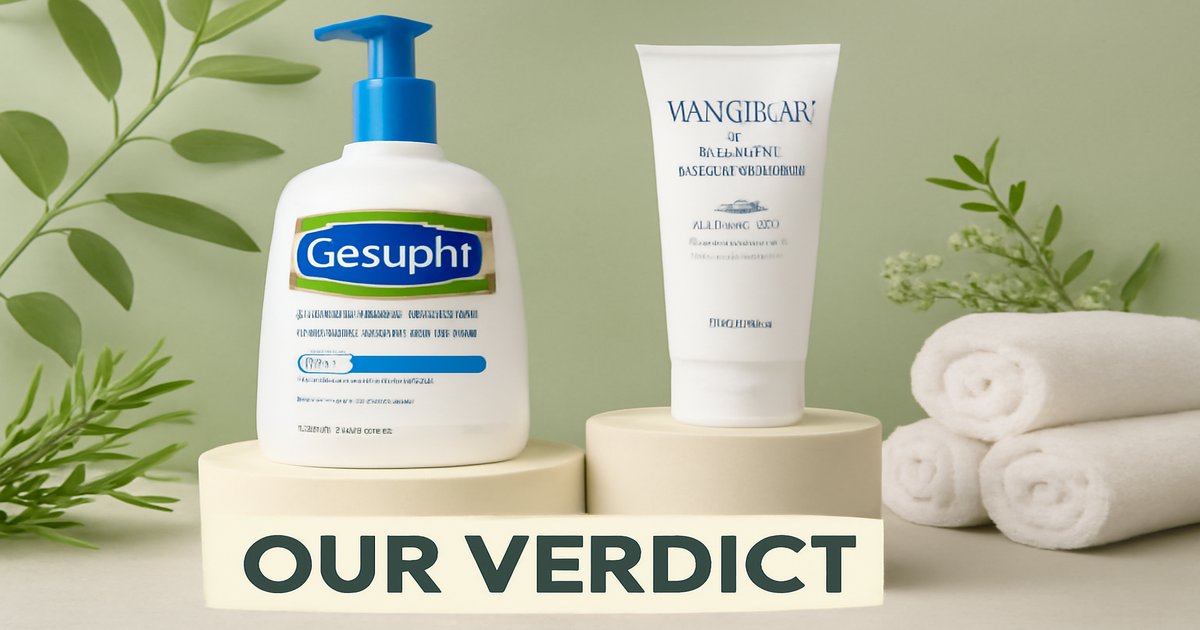
Our Final Verdict: Which One Should You Buy?
If you’re someone who values accessibility and a gentle, affordable cleanser for daily use, Cetaphil is your best bet. It’s for those who want a no-fuss, reliable option. However, if your skin is ultra-sensitive or you’re committed to a minimalist, paraben-free skincare routine, Vanicream is the winner. It’s the choice for purists who are willing to spend a little extra for peace of mind.
Is Cetaphil suitable for acne-prone skin?
Yes, Cetaphil is generally suitable for acne-prone skin as it is non-comedogenic and gentle enough for daily use.
Does Vanicream Cleanser work well with acne treatments?
Vanicream is a great companion to acne treatments due to its gentle formulation that doesn’t interfere or irritate skin under treatment.
How long does a bottle of each cleanser last with daily use?
Both cleansers generally last about two to three months with daily use, though this can vary depending on how much product you use per wash.