






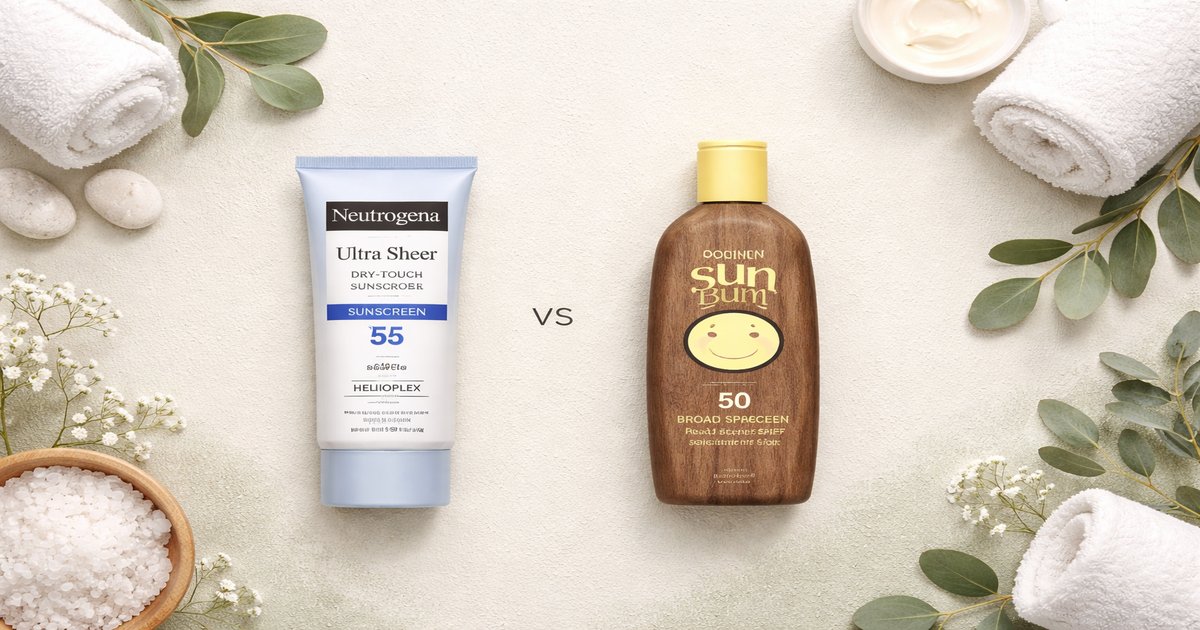
You’re gearing up for a day at the beach, but the sun’s not your friend. You need a sunscreen that doesn’t feel like a sticky mess or leave you looking like a ghost. Let’s break down Neutrogena and Sun Bum to see which one deserves a spot in your beach bag.
| Feature | Neutrogena | Sun Bum |
|---|---|---|
| SPF Range | 30-100+ | 15-70 |
| Water Resistance (Minutes) | 80 | 80 |
| Reef Safe | ✗ | ✓ |
| Active Ingredients | Homosalate, Octisalate, Octocrylene, Oxybenzone | Zinc Oxide, Octinoxate |
| Fragrance-Free Options | ✓ | ✗ |
| Application Feel | Lightweight | Moisturizing |
| Price Range (per oz) | $0.90 – $1.50 | $1.25 – $2.00 |
✅ Neutrogena Pros
- Wide SPF range offers options for any sun intensity.
- Lightweight formula absorbs quickly and doesn’t feel greasy.
- Fragrance-free options reduce skin irritation risk.
❌ Neutrogena Cons
- Contains oxybenzone, which is not reef safe.
- Can leave a slight white cast on darker skin tones.
- Some users report eye irritation with heavy application.
✅ Sun Bum Sunscreen Pros
- Reef-safe formulation is environmentally friendly.
- Moisturizing feel is great for dry skin.
- Fun, tropical scent adds a beachy vibe.
❌ Sun Bum Sunscreen Cons
- Limited SPF range might not suit all needs.
- Fragrance can be overpowering for sensitive noses.
- Thicker formula takes longer to absorb.
Performance in Real Conditions
Neutrogena’s wide SPF range is a major plus when you’re looking to tailor your protection level. Whether it’s a high-altitude hike or a casual walk, Neutrogena’s lightweight formula won’t weigh you down. It’s perfect for those who want a sunscreen that absorbs quickly without the greasy residue. On the flip side, Sun Bum’s thicker, moisturizing formula is ideal if you have dry skin or are spending extended periods in the sun, like at the beach. The trade-off is that it feels heavier and takes longer to rub in, which is a minor inconvenience if you’re always on the go.
Environmental Impact and Ingredients
If you’re planning on snorkeling or spending time in the ocean, Sun Bum is the clear winner with its reef-safe ingredients. Neutrogena’s inclusion of oxybenzone is a big no-no for reefs, making Sun Bum the responsible choice for ocean lovers. However, if you’re more concerned about how the sunscreen feels and performs on your skin, Neutrogena’s lighter formulation with options for sensitive skin might sway you. Just keep in mind that the choice comes with an environmental cost.
Value for Money
When it comes to cost, Neutrogena offers more bang for your buck with a lower price per ounce. If you’re using sunscreen daily, this can add up to significant savings over time. Sun Bum’s higher price point is justified by its eco-friendly formulation and skin-nourishing properties, but if you’re budget-conscious, it might not be the best everyday option. Opt for Sun Bum if you’re making an occasional splash into the ocean and want to do right by Mother Nature.
Both sunscreens have hidden quirks. Neutrogena’s white cast can be a dealbreaker for darker skin tones, while Sun Bum’s scent could clash with your perfume or cologne. And despite being marketed as a go-to for sensitive skin, Neutrogena can still cause irritation around the eyes.
Our Final Verdict: Which One Should You Buy?
If you’re an eco-conscious beachgoer who loves a good tropical scent, Sun Bum is your match. It’s more expensive but worth it for the reef-safe peace of mind. For daily use, especially if you’re active or have sensitive skin, Neutrogena is the better value with its wide SPF range and lightweight feel. Just be mindful of its environmental impact if you’re hitting the waves.
Is Neutrogena safe for sensitive skin?
Neutrogena offers fragrance-free options that are generally safe for sensitive skin, but it may still cause irritation around the eyes.
Can Sun Bum be used on oily skin?
Sun Bum’s moisturizing formula might feel too heavy for oily skin types, especially if you’re prone to breakouts.
Does either sunscreen leave a white cast?
Neutrogena can leave a slight white cast on darker skin tones, while Sun Bum’s zinc oxide formulation is less prone to this issue but can still be visible if not rubbed in properly.