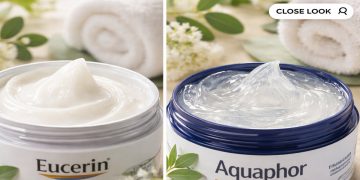




You’re standing in the skincare aisle, eyeing two popular options for your dry skin dilemma: Eucerin and Aquaphor. Both promise relief, but which one is really going to save your skin from the winter wrath or the post-shower itch?
| Feature | Eucerin | Aquaphor |
|---|---|---|
| Main Ingredient | Water-based | Petrolatum-based |
| Suitable for Face | ✓ | ✓ |
| Fragrance-Free | ✓ | ✓ |
| Greasy Texture | ✗ | ✓ |
| Healing Properties | Moderate | High |
| Best for Sensitive Skin | ✓ | ✓ |
✅ eucerin Pros
- Quick absorption without greasy residue.
- Lightweight and suitable for daily use.
- Great for sensitive and acne-prone skin.
❌ eucerin Cons
- Less effective for extremely dry skin.
- May require frequent reapplication.
✅ aquaphor Pros
- Exceptional for healing cracked or damaged skin.
- Long-lasting moisture barrier.
- Versatile use – suitable for minor cuts and burns.
❌ aquaphor Cons
- Leaves a greasy finish.
- Can feel heavy on the skin.
Performance in Real Life
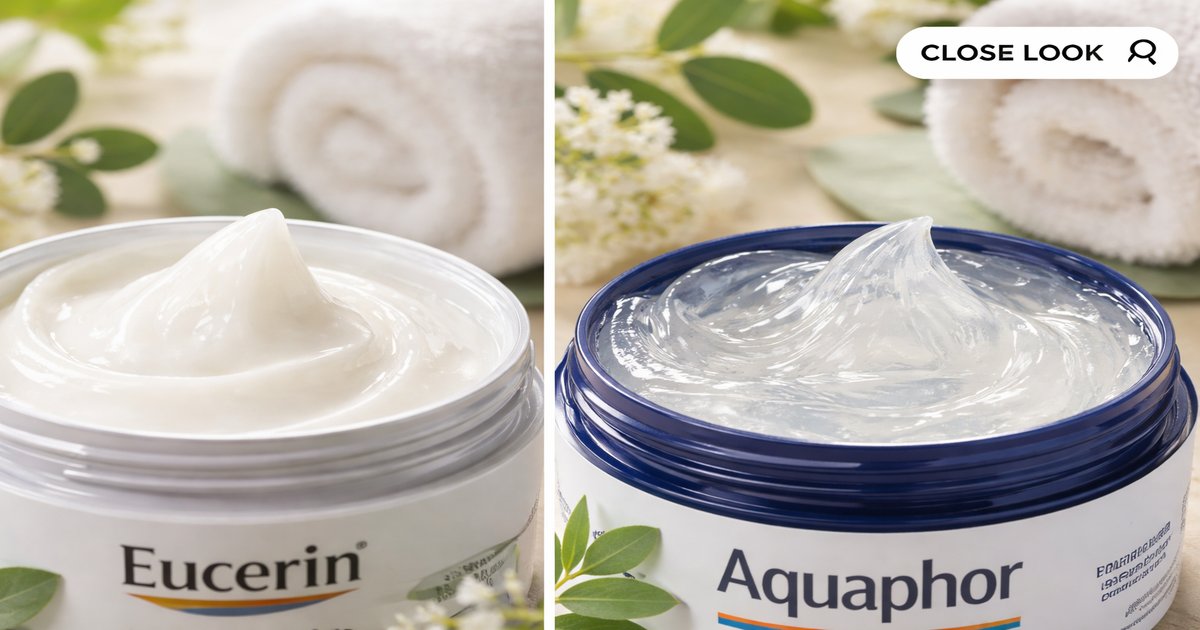
Eucerin is a dream for those with mild dryness looking for a daily lotion that won’t interfere with their makeup or daily routine. It absorbs quickly, leaving your skin feeling hydrated without the shine. If you deal with minor dryness or have sensitive skin, Eucerin’s water-based formula is a solid choice. On the flip side, Aquaphor is your go-to for severe dryness or for skin that’s downright angry. Its thick, petrolatum-based formula creates a barrier that locks in moisture, making it perfect for overnight use or when your skin needs intensive care.
Texture and Feel
If you can’t stand the feeling of a product sitting on your skin, Eucerin is your friend. Its lightweight formula is more like a lotion, spreading easily and vanishing quickly. This makes it ideal for daytime use when you don’t want to feel sticky. Aquaphor, however, is unapologetically thick and greasy. It feels like a protective layer, which is brilliant for healing, but not so great if you’re rushing to get dressed. This is a product best reserved for home use or bedtime when you can afford to let it soak in.
Value for Money
Eucerin is more cost-effective for daily use due to its non-greasy nature and ease of application. It’s perfect for maintaining skin hydration without breaking the bank. Aquaphor, while pricier, offers unparalleled healing benefits. If you’re battling severe dryness or skin irritation, the investment is justified by the results. You might end up using less of it over time, as its effects are long-lasting, even if the initial application is heavier.
Both Eucerin and Aquaphor have their limitations. Eucerin, while great for daily hydration, might not cut it for those with extremely dry skin or eczema. Aquaphor is a lifesaver for deep moisturization, but the greasiness can be a deal-breaker if you’re not a fan of that sticky feeling. Also, Aquaphor’s heavy texture isn’t the best match for hot, humid climates.
Our Final Verdict: Which One Should You Buy?
For those who need a reliable, everyday moisturizer that’s lightweight and non-greasy, Eucerin is your best bet. It’s perfect for sensitive skin types who need something gentle yet effective. On the other hand, if you’re dealing with severe dryness, cracked skin, or need a product that can double as a skin healer, Aquaphor is worth the investment. It’s best for those who don’t mind a heavier ointment and need serious skin repair.
Can I use Eucerin or Aquaphor on my face?
Yes, both are suitable for facial use. Eucerin is better for daily use due to its lightweight nature, while Aquaphor is ideal for spot treatment on very dry areas.
How long does each product last?
Eucerin usually requires more frequent reapplication due to its lighter formula. Aquaphor’s thick consistency means you’ll use less, and the effects last longer.
Are these products suitable for eczema?
Both can help manage eczema symptoms, but Aquaphor is often recommended for its intensive healing properties, especially during flare-ups.