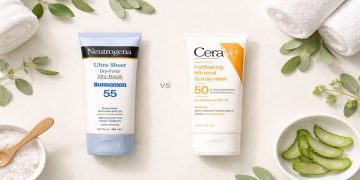





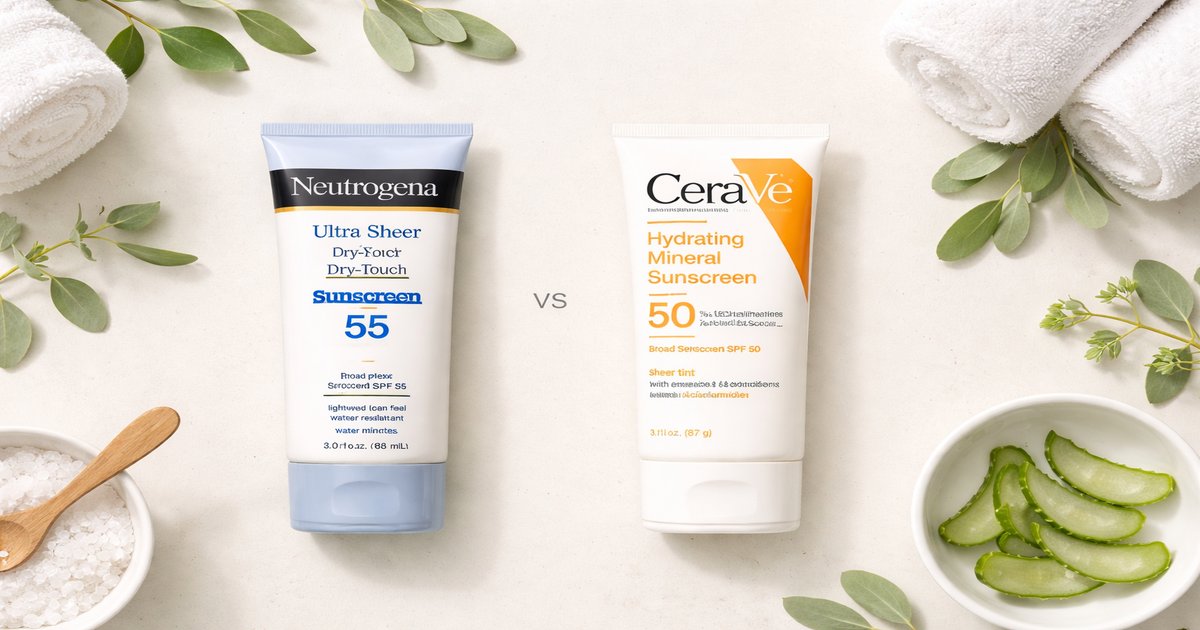
You’re at the beach, the sun is blazing, and you need a sunscreen that won’t leave you looking like a ghost or feeling like a sticky mess. Whether you’re a weekend warrior or someone who just wants to protect their skin during a leisurely stroll, finding the right sunscreen is crucial. Let’s dive into the nitty-gritty of Neutrogena and CeraVe sunscreens to see which one deserves a spot in your beach bag.
| Feature | Neutrogena Ultra Sheer Dry-Touch | CeraVe Hydrating Mineral Sunscreen |
|---|---|---|
| SPF Rating | SPF 55 | SPF 30 |
| Water Resistance | 80 minutes | 40 minutes |
| Active Ingredients | Avobenzone, Homosalate, Octisalate, Octocrylene | Zinc Oxide, Titanium Dioxide |
| Finish | Matte | Hydrating |
| Fragrance-Free | ✗ | ✓ |
| Suitable for Sensitive Skin | ✗ | ✓ |
| Price Range | $8 – $12 | $12 – $15 |
✅ Neutrogena Pros
- High SPF 55 for excellent sun protection.
- Matte finish keeps skin looking non-greasy.
- Long-lasting 80-minute water resistance.
❌ Neutrogena Cons
- Contains fragrance, which might irritate sensitive skin.
- Chemical filters may not be suitable for all skin types.
- Can leave a white cast on darker skin tones.
✅ CeraVe Sunscreen Pros
- Gentle mineral formula ideal for sensitive skin.
- Includes ceramides for added hydration.
- Fragrance-free and non-comedogenic.
❌ CeraVe Sunscreen Cons
- Lower SPF 30 compared to competitors.
- Shorter 40-minute water resistance.
- Thicker consistency can feel heavy on skin.
Performance
When it comes to performance under the sun, Neutrogena’s Ultra Sheer Dry-Touch is a beast. Its SPF 55 rating means you’re getting robust protection, and the 80-minute water resistance is a godsend for sweaty activities or a dip in the pool. However, CeraVe’s mineral sunscreen shines when it comes to being kind to your skin. It’s gentle, non-irritating, and keeps your face feeling soft thanks to its hydrating properties. If you’re planning a hardcore outdoor adventure, Neutrogena might have the edge, but for a gentle, everyday choice, CeraVe takes the cake.
Build Quality
In terms of formula and application, Neutrogena’s Dry-Touch is aptly named. It goes on smoothly, absorbs quickly, and doesn’t leave you with that dreaded greasy film. CeraVe, on the other hand, is thicker and requires a bit more effort to blend in, which might not be ideal if you’re in a rush. But this thickness comes with a benefit; it adheres well to the skin, providing a solid barrier. If you prioritize a quick and easy application, Neutrogena is your go-to, but if you can spare a moment for a more thorough application, CeraVe provides a reassuringly complete coverage.
Value
Your wallet will notice a slight difference here. Neutrogena tends to be a bit cheaper, making it a more budget-friendly option, especially if you’re slathering it on generously. CeraVe, while slightly pricier, offers added skincare benefits with its ceramides and is less likely to cause breakouts, which is a big deal if you’re breakout-prone. If you’re the type who doesn’t mind spending a little extra for added skincare benefits, CeraVe is worth the few extra bucks. But if straightforward sun protection is your aim, Neutrogena won’t disappoint either.
Both products have hidden quirks. Neutrogena’s chemical filters might not sit well with everyone and can sting if they get in your eyes. CeraVe, while gentle, can feel heavy and may not be the best under makeup. Be prepared for a bit of trial and error when integrating these into your daily routine.
Our Final Verdict: Which One Should You Buy?
If you’re someone who needs high SPF, water resistance, and a budget-friendly option, Neutrogena Ultra Sheer Dry-Touch is your match. It’s perfect for outdoor enthusiasts who need reliable sun protection. On the other hand, if your skin is sensitive, or you’re looking for additional hydration and skincare benefits, CeraVe Hydrating Mineral Sunscreen is the way to go. It’s a bit of a splurge, but worth it for the skincare-conscious user.
Can I wear makeup over these sunscreens?
Both can be layered under makeup, but Neutrogena’s matte finish is more makeup-friendly, while CeraVe’s thicker texture might require a bit of setting powder or primer.
How often should I reapply?
Reapply every two hours, especially if you’re swimming or sweating. Neutrogena offers longer water resistance, but both need regular reapplication to stay effective.
Are these sunscreens safe for daily use?
Yes, both are safe for daily use. However, if you have sensitive skin or concerns about chemical filters, CeraVe’s mineral formula might be more suitable.