






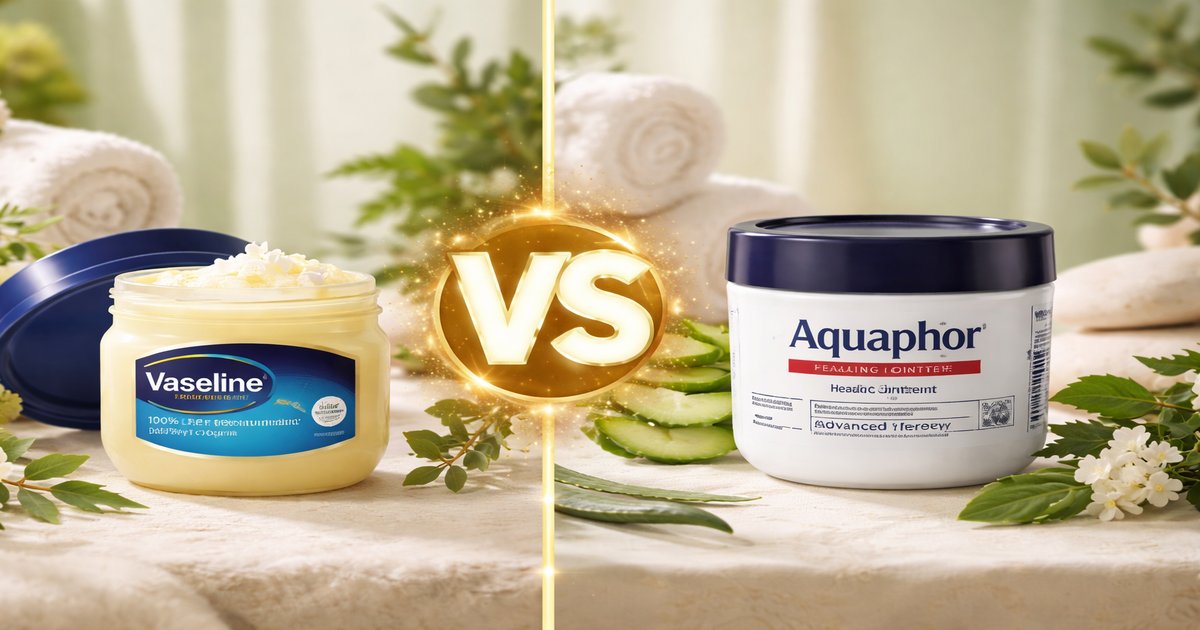
You’ve probably found yourself in the drugstore aisle, staring at rows of skin protectants, wondering which one will actually do the trick for your dry, cracked skin. Vaseline and Aquaphor are the two heavyweights in this space, but which one deserves a spot in your daily routine? Let’s break it down so you can make the right choice.
| Feature | Vaseline | Aquaphor |
|---|---|---|
| Primary Ingredient | Petroleum Jelly | Petroleum Jelly, Mineral Oil, Lanolin |
| Moisturizing Power | Moderate | High |
| Skin Sensitivity | ✓ | ✓ |
| Fragrance-Free | ✓ | ✓ |
| Cost-Effectiveness | High | Moderate |
| Multi-Use | ✓ | ✓ |
| Healing Properties | Low | High |
✅ vaseline Pros
- Extremely cost-effective; you get more for less.
- Simple ingredient list, ideal for sensitive skin.
- Non-comedogenic, won’t clog your pores.
❌ vaseline Cons
- Limited healing properties for severely dry skin.
- Greasy texture can be a turn-off for some users.
✅ aquaphor Pros
- Superior healing properties for cracked and damaged skin.
- Versatile; works for minor cuts and burns too.
- Long-lasting moisture retention.
❌ aquaphor Cons
- More expensive than Vaseline.
- Thicker consistency might feel heavy.
Performance in Real-World Use
You’ll notice that Aquaphor takes the cake when it comes to healing. If you’ve got eczema or severely cracked skin, Aquaphor’s blend of petroleum jelly, mineral oil, and lanolin works wonders. It creates a protective barrier that can speed up the healing process, which Vaseline just can’t match. Vaseline, on the other hand, is your go-to for basic moisture needs—perfect for when your skin feels a bit dry but isn’t in crisis mode.
Cost and Value
Vaseline is the king of budget-friendly options. You’ll spend less and get a tub that lasts forever. It’s the kind of product you can slather on without worrying about cost. Aquaphor, however, is a bit of a splurge. But if you need something with serious healing prowess, the extra dollars might be worth it. Keep this in mind if you’re trying to decide based on how much bang you get for your buck.
Usability and Skin Feel
Both products can leave a greasy residue, but Vaseline is particularly slick. If you don’t like the feeling of something heavy on your skin, Vaseline might not be your best friend. Aquaphor is thicker but absorbs just a smidge better, making it more suitable for overnight healing sessions. Either way, both are best reserved for situations where you don’t mind a bit of shine, like bedtime.
Here’s what most people won’t tell you: neither Vaseline nor Aquaphor are going to solve all your skin woes overnight. They’re fantastic at protecting and locking in moisture, but if your skin’s super dry or cracked, you may need to pair them with a more potent moisturizer. Also, neither is particularly travel-friendly due to their greasy nature.
Our Final Verdict: Which One Should You Buy?
Choose Vaseline if you’re budget-conscious and need a reliable, no-frills moisturizer for daily use. It’s perfect for those with generally dry skin who don’t require intensive healing. Opt for Aquaphor if you have specific skin issues like eczema or severely cracked skin that need more than basic moisture. It’s your go-to for a multi-purpose healing balm that justifies its higher price tag.
Can Vaseline be used on the face?
Yes, Vaseline is non-comedogenic, so it won’t clog pores and can be used on the face. However, its greasy texture might not be for everyone.
Is Aquaphor good for tattoos?
Absolutely, Aquaphor is often recommended by tattoo artists for its healing properties and ability to keep the skin moisturized during the healing process.
How long does a tub of Aquaphor last?
While it depends on usage, a standard-sized tub can last several months if used primarily for dry patches and minor skin issues.