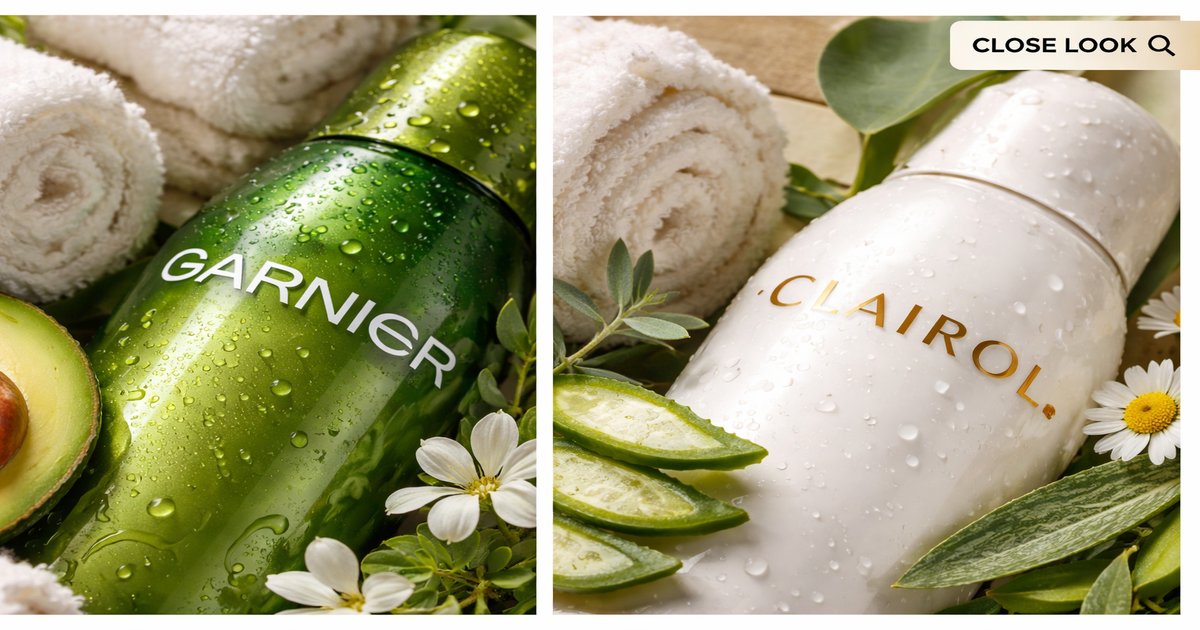






You’ve probably been there: standing in the hair care aisle, staring at a dizzying array of boxes, each promising vibrant color and silky hair. Deciding between Garnier and Clairol can feel like choosing a life partner. You’re looking for a reliable dye that won’t fry your hair or leave you with an unexpected shade of orange. Let’s break it down.
| Feature | Garnier | Clairol |
|---|---|---|
| Ammonia-Free Options | ✓ | ✓ |
| Gray Coverage | Good | Excellent |
| Application Time | 25 minutes | 30 minutes |
| Color Longevity | 6-8 weeks | 8-12 weeks |
| Price Range | $8-$10 | $6-$9 |
| Conditioning Formula | ✓ | ✗ |
| Shade Variety | Extensive | Moderate |
✅ garnier Pros
- Offers an extensive range of shades, catering to niche color preferences.
- Includes a conditioning formula that leaves hair feeling softer.
- Quick application time of 25 minutes.
❌ garnier Cons
- Gray coverage can be hit or miss, requiring touch-ups.
- Color might not last as long, fading by the 6-week mark.
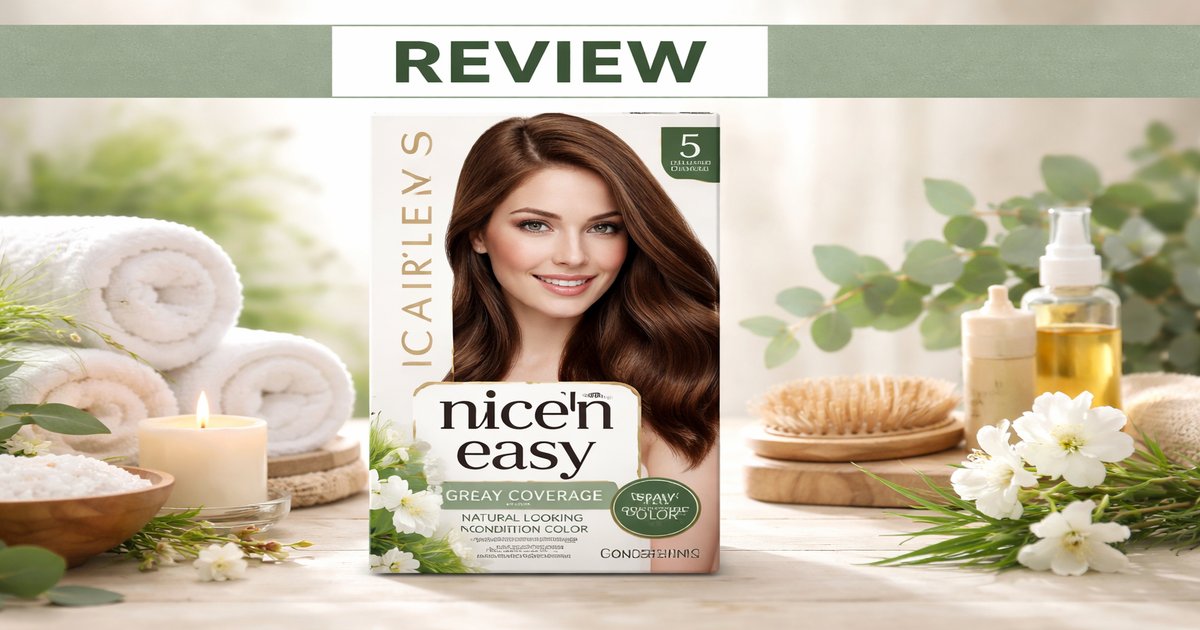
✅ clairol hair dye Pros
- Excellent gray coverage, even for stubborn grays.
- Long-lasting color that can stretch up to 12 weeks.
- Affordable pricing, making it budget-friendly.
❌ clairol hair dye Cons
- Limited shade variety compared to Garnier.
- No built-in conditioning formula, which might leave hair feeling drier.
Performance: Gray Coverage and Longevity
When it comes to gray coverage, Clairol takes the crown. If you’re battling pesky grays that pop up every few weeks, Clairol’s formula sticks like glue. Garnier, while decent, sometimes leaves grays peeking through sooner than you’d like. For color longevity, Clairol also edges out Garnier, with its vibrant hues holding up to the 12-week mark. Garnier starts strong but tends to fade around 6-8 weeks, especially if you’re shampooing frequently or spending time in the sun.
Application and Conditioning
Garnier’s 25-minute application is a boon when you’re in a rush, and the conditioning formula leaves hair noticeably softer post-dye. This is a big plus if your hair tends to dry out. Clairol takes a bit longer at 30 minutes, and while it excels in color performance, it lacks a built-in conditioner, which might mean you need to invest in a good conditioner separately to keep your hair from feeling like straw.
Value for Money
Clairol is generally more budget-friendly, and the extended color longevity means you’re not buying boxes as frequently. This makes Clairol a cost-effective choice if you’re watching your wallet. Garnier, though slightly pricier, offers a better initial conditioning experience and more shade options. You’re paying a bit more for immediate softness and niche colors, but you might find yourself touching up more often, tipping the scales on overall value.
Here’s the scoop: both brands are solid choices, but neither is perfect. Garnier’s conditioning formula is great for softness, but if you’re after serious gray coverage, Clairol is your best friend. Both brands are ammonia-free, but neither fully eliminates the potential for hair to feel a bit dry post-coloring. Plan for a good conditioner regardless of your choice.
Our Final Verdict: Which One Should You Buy?
If gray coverage and budget are your priorities, Clairol is your go-to. It’s perfect for those who want long-lasting results without breaking the bank. On the other hand, if you’re after a wide range of colors and a formula that pampers your hair a bit more during the process, Garnier is the way to go. It suits those who enjoy experimenting with shades and don’t mind a bit more maintenance.
Is Clairol suitable for sensitive scalps?
Clairol has options for sensitive scalps, including ammonia-free formulas, but always do a patch test first to ensure compatibility.
How often should I touch up with Garnier?
Expect to touch up every 6-8 weeks, depending on hair growth and exposure to elements like sun and water.
Can I mix shades with either brand?
Yes, both brands allow for shade mixing to customize your color, but it’s best to stick within the same product line for consistent results.