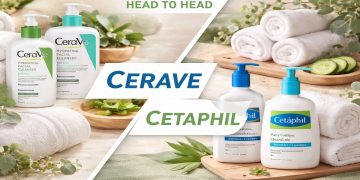







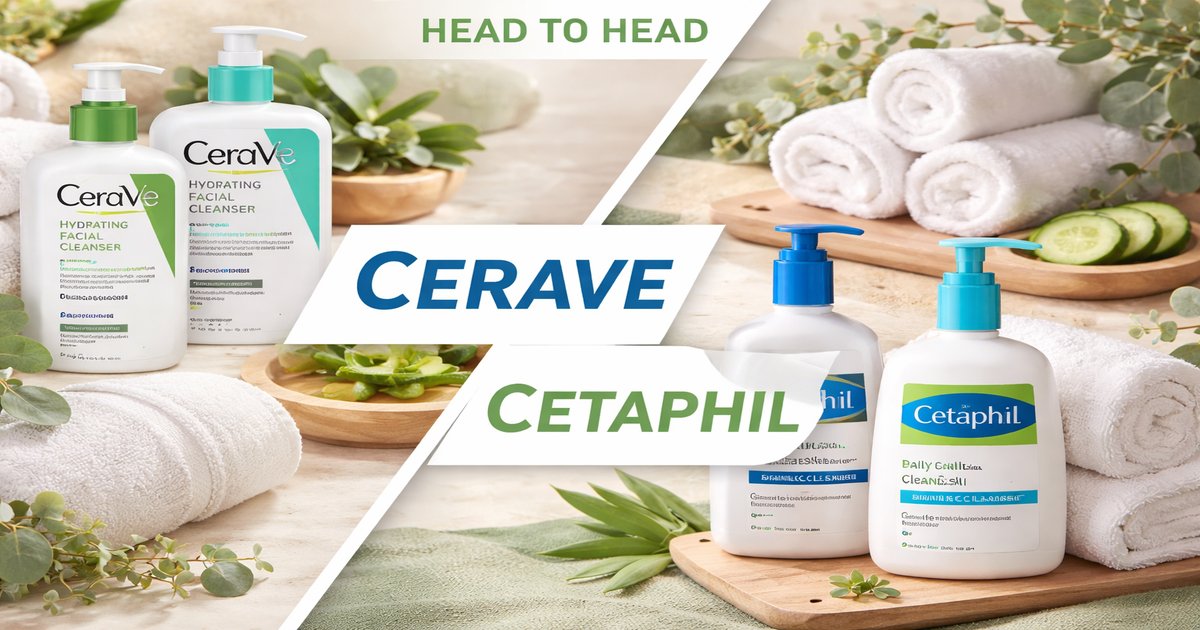
Finding the right face wash can feel like searching for a needle in a haystack, especially when your skin’s involved in a never-ending battle against dryness, oil, or sensitivity. CeraVe and Cetaphil are two giants in the skincare world, vying for a spot on your bathroom shelf. But which one truly deserves the space?
| Feature | CeraVe Hydrating Facial Cleanser | Cetaphil Gentle Skin Cleanser |
|---|---|---|
| Best for Skin Type | Normal to Dry | All Skin Types |
| Key Ingredients | Ceramides, Hyaluronic Acid | Glycerin, Panthenol |
| Fragrance-Free | ✓ | ✓ |
| Non-Comedogenic | ✓ | ✓ |
| Price Range | $$ | $ |
| Available Sizes | 3oz, 12oz, 16oz, 19oz | 4oz, 8oz, 16oz, 20oz |
✅ cerave Pros
- Excellent for dry skin with nourishing ceramides and hyaluronic acid.
- Non-irritating formula, great for sensitive skin.
- Comes in a variety of sizes to suit different needs.
❌ cerave Cons
- Pricier compared to Cetaphil.
- May feel too heavy for oily skin types.
✅ cetaphil face wash Pros
- Affordable option for everyday cleansing.
- Suitable for all skin types, including sensitive skin.
- Gentle enough to use without water.
❌ cetaphil face wash Cons
- Less hydrating, may not satisfy very dry skin.
- Contains parabens, which might be a concern for some users.
Performance: Hydration and Cleansing Ability
CeraVe shines when it comes to hydration, thanks to its ceramides and hyaluronic acid. If your face feels like a desert, this is your oasis. It leaves the skin feeling plump and moisturized post-wash, without that dreaded tightness. Cetaphil, on the other hand, offers a more straightforward cleansing experience. It’s gentle and won’t leave you feeling stripped, but it might not quench thirstier skin types. Great for normal to oily skin, it cleans without overdoing it.
Build Quality: Ingredients and Formulation
CeraVe takes the crown with its dermatologist-approved formula featuring ceramides, which help restore the skin barrier. It’s like giving your skin a protective shield while you cleanse. Cetaphil keeps it simple, focusing on gentle cleansing agents and a bit of glycerin for moisture. It’s not as sophisticated, but it’s effective for basic cleansing tasks. If you’re ingredient-conscious, CeraVe’s formulation feels more advanced, whereas Cetaphil opts for simplicity.
Value: Price vs. Benefits
CeraVe’s higher price tag reflects its ingredient-rich formula ideal for specific skin needs like dryness and sensitivity. If you’re willing to invest in your skin, it’s worth every penny. Cetaphil offers a budget-friendly option that doesn’t skimp on quality. It’s the kind of face wash you can buy in bulk without breaking the bank, making it a smart choice for families or anyone looking to save a buck without sacrificing gentle care.
Both face washes are solid picks, but neither is a magical cure-all. CeraVe can be too rich for oily skin, and Cetaphil, while gentle, might leave those with dry skin wanting more moisture. And let’s not forget that Cetaphil uses parabens, which some folks try to avoid.
Our Final Verdict: Which One Should You Buy?
If you’ve got dry or sensitive skin and are willing to spend a bit more for hydration, CeraVe is your match. It’s like a spa day in a bottle. For those with normal to oily skin or anyone looking for an affordable daily cleanser that’s gentle enough for the whole family, Cetaphil is a no-brainer. Just keep in mind, it’s not the most hydrating option out there.
Is CeraVe better for acne-prone skin?
CeraVe is non-comedogenic and contains niacinamide, which can help with acne. However, if you’re dealing with severe acne, consider pairing it with a treatment product.
Can I use Cetaphil without water?
Yes, Cetaphil’s formula is designed to be used with or without water, making it versatile for quick cleansing.
How long does a bottle of either product last?
It depends on usage, but a 16oz bottle typically lasts about 2-3 months with daily use. Economical for the price, especially for Cetaphil.